


Choosing a new HVAC system in Woodburn, OR isn’t just about brand recognition — it’s about matching the right technology to your home, layout, and climate. Two names that often come up in replacement and upgrade conversations are Mitsubishi Electric and Amana. While both are respected manufacturers, they focus on very different system designs and comfort strategies.
If you’re comparing these two, you’re likely deciding between ductless or inverter-driven comfort and traditional central HVAC systems.
Here’s a practical, locally focused breakdown to help Woodburn homeowners make the right call.
Mitsubishi Electric

Mitsubishi Electric is best known for ductless mini-split and variable-speed heat pump systems. Their technology centers on inverter-driven compressors, zoning, and high-efficiency operation. These systems are commonly used in additions, retrofits, and homes where room-by-room control matters.
Key traits:
- Ductless and multi-zone options
- Variable-capacity operation
- Strong efficiency ratings
- Flexible installation layouts
Lorem ipsum dolor sit amet, consectetur adipiscing elit. Ut elit tellus, luctus nec ullamcorper mattis, pulvinar dapibus leo.
Amana

Amana focuses more on traditional central HVAC systems — furnaces, central air conditioners, and whole-home heat pumps. They are widely used in ducted homes and full system replacements, with a reputation for durable construction and solid warranty coverage.
Key traits:
- Central ducted systems
- Furnace + AC pairings
- Whole-home comfort design
- Strong warranty positioning
The difference here is not just brand — it’s system architecture.
Cooling Performance in Woodburn Summers
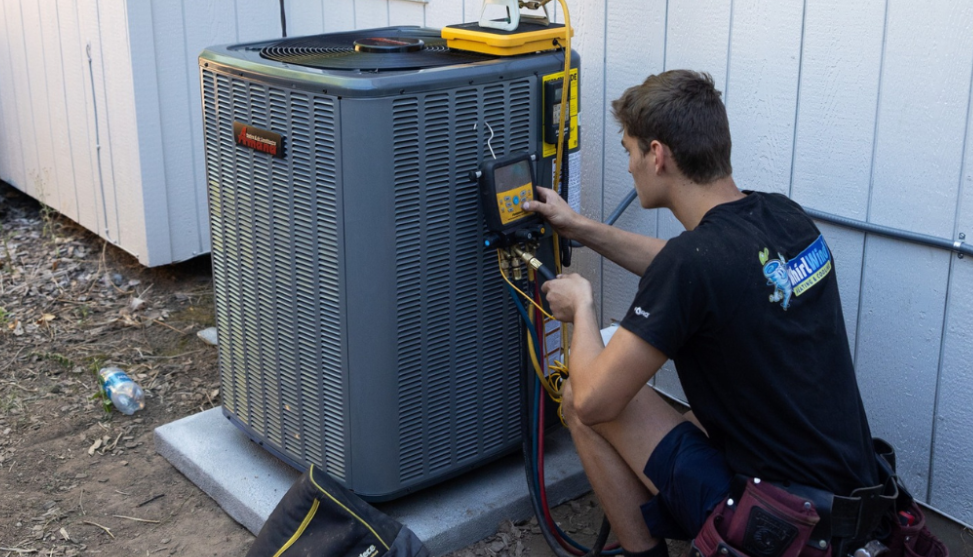
Woodburn summers bring warm daytime temperatures with cooler evenings. That makes part-load efficiency and modulation especially valuable.
Mitsubishi Electric systems adjust output continuously. Instead of cycling on and off, they ramp up or down based on demand. This helps:
- Maintain steadier indoor temperatures
- Reduce short-cycling
- Improve humidity balance
- Lower energy use during mild days
Amana central AC systems typically use staged or single-stage cooling depending on model. When properly sized, they cool effectively, but they operate in cycles rather than continuous modulation.
For homes with uneven temperatures between rooms, Mitsubishi’s zoning advantage can be significant.
Heating Performance in Oregon Winters
Woodburn winters are cool and damp, with periodic cold snaps.
Mitsubishi heat pump systems are designed for strong low-temperature performance, especially newer cold-climate models. They can:
- Deliver steady heat output
- Maintain efficiency in colder weather
- Work well without gas service in some homes
Amana systems often pair:
- Gas furnaces for colder days
- Heat pumps for dual-fuel setups
- Traditional furnace + AC combinations
Homes already equipped with ductwork and gas lines often lean toward Amana-style furnace systems, while all-electric or retrofit homes often favor Mitsubishi heat pumps.
Best Fit by Home Type
Mitsubishi Electric is often best for:
- Homes without ducts
- Additions and remodels
- Room-by-room comfort needs
- High-efficiency upgrades
Zoned living layouts
Amana is often best for:
- Homes with good duct systems
- Full central replacements
- Furnace-based heating preferences
- Straightforward equipment swaps
Budget-balanced whole-home systems
Final Takeaway for Woodburn, OR Homeowners
There is no universal “better” brand between Mitsubishi Electric and Amana — only a better fit for your home and comfort goals.
If you want zoned control, ductless flexibility, and inverter efficiency, Mitsubishi Electric systems are often the stronger match. If your Woodburn home already has solid ductwork and you want a dependable central system, Amana can be an excellent choice.
The most important factor is working with a qualified local HVAC contractor who can evaluate your home, load requirements, and layout — then recommend and install the right system correctly. Brand matters — but design and installation quality matter more.